

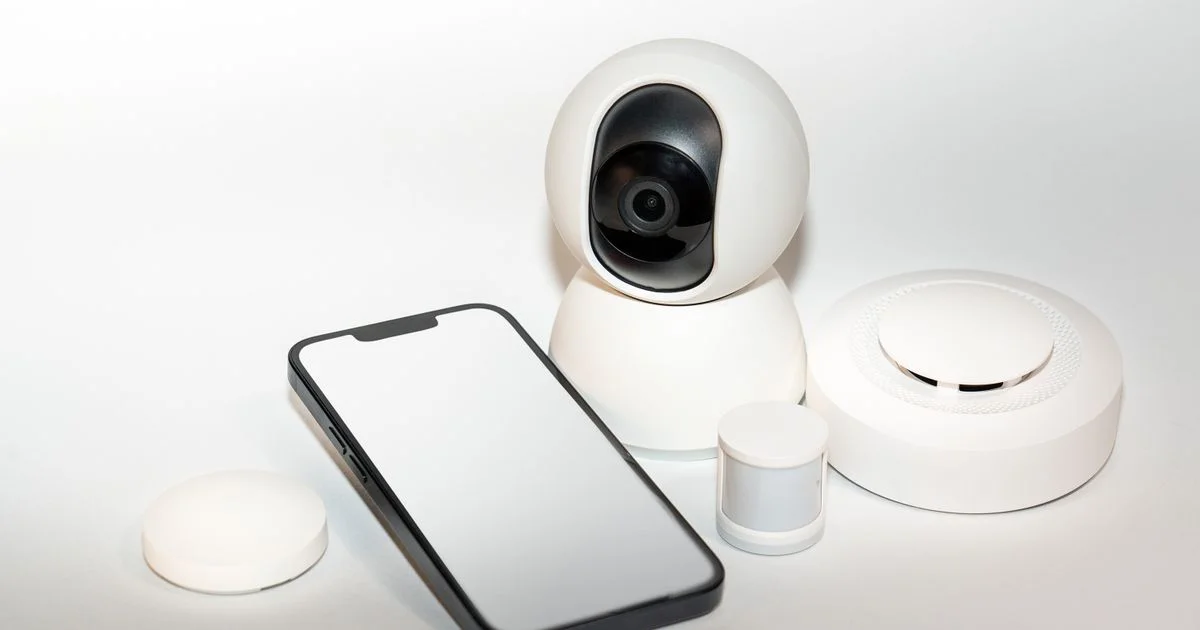
Monitoring fees are the part of home security nobody enjoys. Buy the kit once, and then pay every month forever for the privilege of it working. A home security system without subscription breaks that arrangement — and for a lot of households it is the right call. But the trade-off is real, and it is not the one most people expect.
Key Takeaways
- Going subscription-free does not mean losing features. It means losing the call center that dispatches police for you.
- SimpliSafe, Abode, Eufy and Reolink all let you run a system with self-monitoring and no required monthly fee.
- ADT, Vivint, Frontpoint and Cove do not offer a self-monitored option at all — a subscription is mandatory.
- Cellular backup is the quiet gap. Many no-fee systems run on Wi-Fi only, so an internet outage is a blind spot.
- Home insurance discounts usually require professional monitoring, which can offset part of the fee you were avoiding.
What a Home Security System Without Subscription Actually Gets You
The short answer: everything the hardware can do on its own — sensors, sirens, live camera feeds, arming and disarming from your phone, and push alerts when something trips. A home security system without subscription is not a crippled system. The equipment behaves exactly the same whether or not money is leaving your bank account each month.
What disappears is the service layer sitting on top: a staffed center that receives the alarm, tries to reach you, and calls the police if it cannot. That is what the fee buys. Everything else is marketing built around it.
Self Monitored Security System: You Become the Monitoring Center
In a self monitored security system, every alert goes to your phone and nowhere else. If a door sensor trips at 2 p.m. while you are in a meeting with your phone face-down, nothing further happens. That is the honest shape of the trade.
For many people this is completely fine. You are getting a notification with a video clip attached, and you can decide in five seconds whether it is your dog, a delivery, or something worth calling about. For others — heavy sleepers, frequent travelers, anyone who cannot reliably look at a phone — it is a genuine weakness rather than a quirk.
What you specifically give up
- Automatic police dispatch. Nobody calls anyone unless you do.
- Cellular backup on some systems. Eufy has none. Some brands sell battery or cellular failover as an add-on rather than including it.
- Insurance discounts. Many insurers only apply the discount for professionally monitored systems. Worth a call to your agent before deciding.
- Cloud video history. Recording to the cloud is often a separate fee even on systems with free self-monitoring.
Wireless Alarm System for Home: What You Actually Need to Buy
A wireless alarm system for home use is a handful of parts, and the temptation is to buy far too many of them. Build it in this order:
- A base station or hub. This is the brain and usually the siren. Everything else talks to it.
- Entry sensors on the doors you actually use. Front, back, and any door from a garage into the house. Ground-floor windows come after that, not before.
- One or two motion sensors covering the hallway or room an intruder has to cross. A single well-placed motion sensor beats six badly placed contacts.
- A camera at the main entry. This is what turns an alert into a decision, because you can see what tripped it.
- A loud siren. Underrated. Noise ends most break-in attempts long before anyone would have arrived anyway.

Where to Put Cameras So They Earn Their Place
A camera pointed at the wrong thing is the most common wasted purchase in home security. Cover the places a person has to pass through, not the places that look impressive on a floor plan.
Entryways, staircases and hallways are choke points — anyone moving through the house crosses them. A camera watching a wide open living room, by contrast, tends to produce footage of a distant figure you cannot identify. Height matters too: mounted too high and you get the top of a head, which is useless for recognizing anyone.
Best Home Security Companies for Skipping the Fee
Not every brand allows it. When people search for the best home security companies without a subscription, the field splits into three groups, and the split is what matters more than any ranking.
| Group | Who is in it | What that means for you |
|---|---|---|
| Full self-monitoring, no fee required | SimpliSafe, Abode, Eufy, Reolink | Core security works free; you handle alerts and any call to the police yourself |
| Works, but the free tier is limited | Ring, Arlo | Ring holds back some notifications and smart home integrations without its basic plan; Arlo gates advanced motion detection behind a subscription |
| Subscription is mandatory | ADT, Vivint, Frontpoint, Cove | No self-monitored option exists — if a monthly fee is a dealbreaker, these are not candidates |
The Costs That Survive “No Monthly Fee”
Subscription-free is not always the same as free forever, and it is worth going in with your eyes open. Cloud storage is the big one — if you want video kept off-site so a thief cannot walk off with the recordings, that usually costs something. Local storage on a microSD card or a base station avoids the fee but keeps your footage inside the house.
Battery and cellular backup accessories are the other line item. Arlo sells battery backup as an add-on, and Kangaroo offers no cellular backup at any tier. If your power and internet go out together, a Wi-Fi-only system is simply off until they come back.
Frequently Asked Questions
These come up constantly once people start comparing systems, and the answers tend to be more nuanced than either the sales page or the anti-subscription crowd suggests.
Is a self-monitored system actually safe?
For deterrence, yes — a siren and visible cameras do most of the practical work regardless of who is monitoring. The gap is response. If nobody sees the alert, nobody responds. Match that against your own routine honestly.
Can I add professional monitoring later?
With most self-monitoring brands, yes. SimpliSafe and Abode both let you turn monitoring on and off, which makes them a sensible hedge — start free, and switch it on for a long trip.
Will police respond to a self-monitored alarm?
They respond to you, calling to report what you have seen. Some jurisdictions treat a verified report — where you can describe live video — more seriously than an unverified automated alarm. Rules vary by city, so check locally.
Does no subscription mean no app?
No. The app is how a self-monitored system works at all. What varies is whether every feature inside the app stays unlocked, which is exactly where Ring and Arlo differ from SimpliSafe and Abode.
The Bottom Line
A subscription-free system is a genuinely good fit for anyone who keeps their phone close and wants deterrence more than dispatch. Choose a brand that supports self-monitoring properly, check whether cellular backup is included or extra, and call your insurer before assuming you are saving the full monthly fee.


