

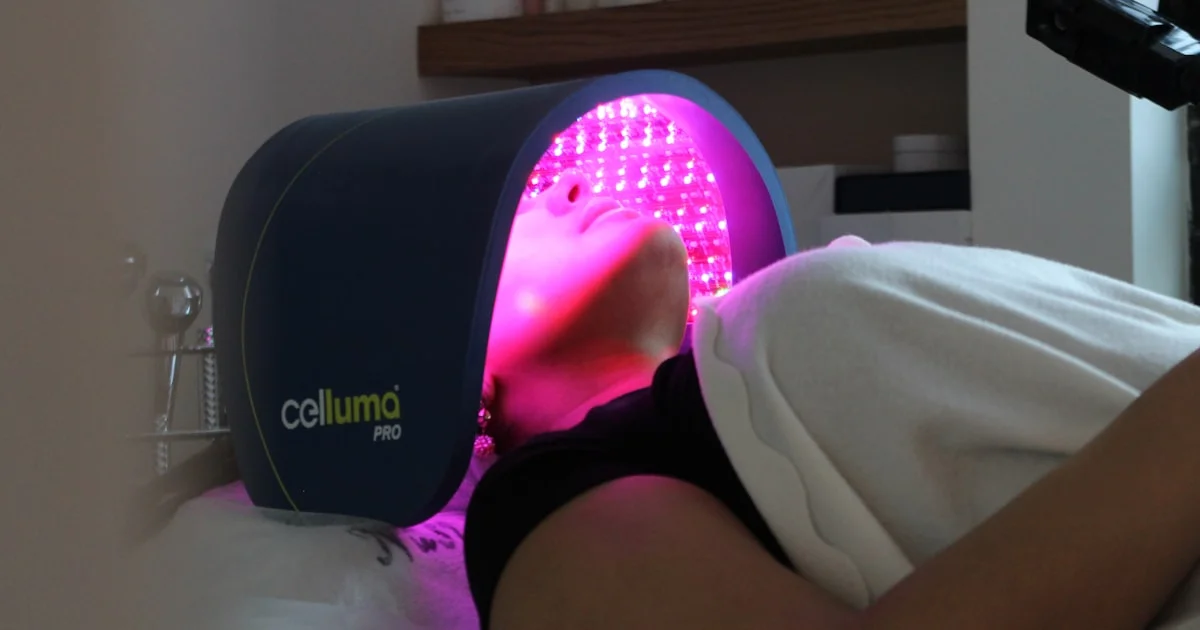
An LED face mask for acne is one of the few beauty gadgets with real science behind it. It is also one of the most oversold. The honest version sits somewhere in between: it helps mild to moderate breakouts, slowly, and it is not a replacement for treatment.
Key Takeaways
- Blue light targets acne-causing bacteria. Red light calms inflammation and helps healing.
- Expect 8 to 12 weeks of consistent use before judging results. This is not overnight.
- It works best on mild to moderate inflammatory acne, not cystic acne or blackheads.
- Look for FDA-cleared devices and built-in eye protection.
- Consistency beats power. Three sessions a week for months beats a burst of daily use then quitting.
Does an LED Face Mask for Acne Work?
The short answer: yes, modestly, for the right kind of acne. An LED face mask for acne uses specific light wavelengths that affect skin biology — this is established, not marketing. What gets oversold is the speed and the size of the effect.
What Blue Light Does
Blue light around 415 nanometers reaches the bacteria involved in acne, Cutibacterium acnes. Those bacteria produce compounds that react to blue light and damage the bacterial cell from within.
Fewer bacteria means fewer inflamed breakouts over time. It does nothing for blackheads or whiteheads, which are clogged pores rather than a bacterial problem.
What Red Light Does
Red light around 630 nanometers goes deeper and reduces inflammation. It will not kill bacteria, but it calms the redness and swelling that make a breakout look worse than it is, and it supports healing afterward.
Most masks combine both, and that combination makes sense — blue for the cause, red for the aftermath.
Light Therapy Mask Review: Realistic Expectations
Any honest light therapy mask review has to be blunt about the timeline. Nothing visible happens in week one. Studies on light therapy for acne generally run 8 to 12 weeks before measuring, and that is roughly when users report a difference too.
The realistic outcome is fewer new breakouts and faster calming of the ones you get. Not clear skin, not a cure.
Also worth knowing: at-home masks are far less powerful than the panels used in a dermatologist’s office. That is a safety trade-off, not a scam — but it does mean home results are gentler and slower.

Best LED Mask for Skin: What to Look For
Choosing the best led mask for skin comes down to a handful of things that actually change the outcome.
| Feature | Why it matters | What to look for |
|---|---|---|
| FDA clearance | Means it was reviewed for safety and basic effectiveness | Stated clearly on the product page |
| Wavelengths | The specific numbers determine what it does | Around 415nm blue, 630nm red |
| Coverage | Gaps mean untreated skin | Full-face contact, including sides of the nose |
| Eye protection | Bright light close to the eyes over months | Built-in shields or included goggles |
| Session timer | Removes guesswork and prevents overuse | Auto shut-off, usually 10 minutes |
| Fit | Light works by contact and closeness | Flexible silicone beats rigid plastic |
Be skeptical of masks advertising seven or ten colors. Blue and red are the two with meaningful evidence behind them for acne. The rest are mostly there to fill a marketing bullet list.
At Home LED Face Treatment Routine
An at home led face treatment only works if it becomes routine. Here is the sequence that gets the most out of it.
- Cleanse first. Light cannot pass through makeup or sunscreen. Start with a clean, dry face.
- Skip actives beforehand. Do not apply retinol or acids right before a session — irritation risk goes up.
- Use the full session time. Usually about 10 minutes. Cutting it short cuts the dose.
- Keep it consistent. Three to five sessions a week, every week. This matters more than anything else.
- Moisturize afterward. Then apply your usual treatments once your skin has settled.
- Photograph your skin monthly. Gradual change is invisible day to day and obvious in photos.
Do not use it more than directed hoping for faster results. More light does not mean better skin, and it can irritate.
When to See a Dermatologist Instead
Light therapy is a reasonable option for mild to moderate breakouts. It is the wrong tool for some situations.
See a dermatologist if you have cystic or nodular acne — deep, painful lumps under the skin. Light will not reach them, and untreated cystic acne scars. Also go if acne is causing real distress, if over-the-counter products have failed for months, or if you are already scarring.
Prescription treatments work faster and more thoroughly. A mask can complement them, and it is worth mentioning yours to your dermatologist, since some acne medications increase light sensitivity.
Frequently Asked Questions
These come up most from people considering their first mask. If you are unsure whether it suits your skin, the answers below should help.
How long until I see results?
Eight to twelve weeks of consistent use. Anyone promising a week is selling something. Take monthly photos rather than checking the mirror daily.
Is it safe for sensitive skin?
Generally yes — LED light produces no UV and very little heat. Start with shorter sessions to see how your skin responds, and stop if you get persistent redness.
Can I use it with retinol or acids?
Yes, just not at the same moment. Do the light session on clean skin, then apply actives afterward, or use them on alternate evenings if your skin is easily irritated.
Do cheap masks work?
Some do. What matters is stated wavelengths, adequate coverage and FDA clearance — not price. A cheap mask with those is a better buy than an expensive one that lists ten colors and no numbers.
The Bottom Line
An LED mask is a slow, gentle helper for mild to moderate inflammatory acne, not a cure. Pick one that names its wavelengths, is FDA-cleared and fits your face properly, then use it three to five times a week for three months before deciding. If your acne is deep, painful or scarring, see a dermatologist first — a mask is not the right tool for that job.


1 Comment
Comments are closed.