

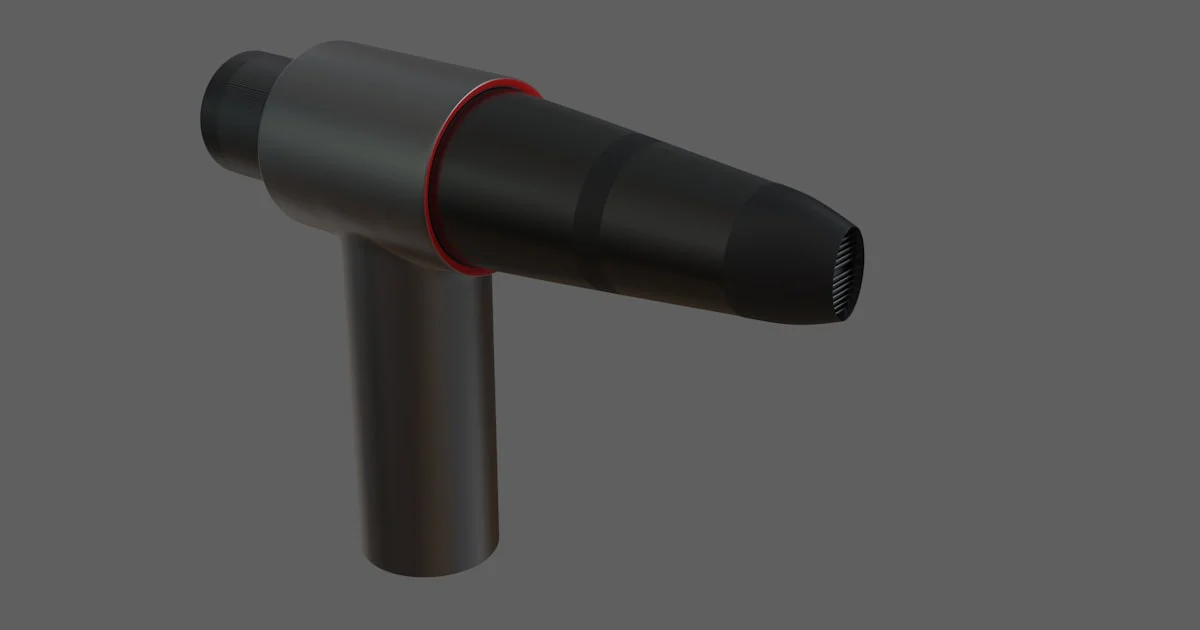
Massage guns went from pro locker rooms to every gym bag in about five years. The best massage gun for muscle recovery is not the one with the biggest speed number on the box — it is the one that keeps pushing when you press it into a tight muscle instead of stalling out.
Key Takeaways
- Amplitude and stall force decide whether it works. Speed alone means very little.
- Amplitude of 12mm or more reaches muscle. Below 10mm mostly vibrates the skin.
- Noise matters more than you expect — a loud one gets used less.
- Budget models are genuinely fine for calves, quads and general soreness.
- Never use it on joints, bones, or an injury. It is for muscle only.
What Makes the Best Massage Gun for Muscle Recovery
The short answer: the best massage gun for muscle recovery combines enough amplitude to reach muscle, enough stall force to stay working under pressure, and a noise level low enough that you will actually use it.
The evidence for percussive therapy is reasonable but modest. Research generally supports short-term improvements in range of motion and reductions in delayed-onset muscle soreness. It is a recovery aid, not a treatment for injury.
Amplitude Beats Speed
Amplitude is how far the head travels with each stroke — the depth of the punch. Most quality guns sit between 10mm and 16mm. Under 10mm and you are getting surface vibration rather than deep tissue work.
Percussions per minute is the number brands advertise loudest, and it matters least. A high speed with tiny amplitude is a buzzing massager, nothing more.
Stall Force Is the Spec Nobody Advertises
Stall force is how hard you can press before the motor stops. This is the difference between a device that works on a tight hamstring and one that quits the moment you lean into it.
Entry models often stall around 20 to 30 pounds of pressure. Better ones handle 40 to 60. If a listing does not mention stall force at all, that usually tells you something.

Percussion Massager for Athletes
A percussion massager for athletes gets asked to do more than one job, and timing changes which settings you want.
Before training, use low speed for 30 to 60 seconds per muscle group. The goal is warming tissue and improving range of motion, not deep work. Long heavy sessions before exercise can temporarily reduce power output.
After training, go moderate for one to two minutes per group. This is where the soreness benefit shows up over following days.
On rest days, use it on whatever still feels tight. This is when you can spend longer without worrying about affecting performance.
Athletes should also weigh battery life and weight seriously. A gun that dies mid-session or is too heavy to hold overhead for your own shoulders will not survive a real training week.
Budget Massage Gun: What You Actually Lose
A budget massage gun is a perfectly reasonable purchase. Just know what the savings cost you.
| Factor | Budget model | Premium model |
|---|---|---|
| Amplitude | Often 8–10mm | 12–16mm |
| Stall force | Stalls under firm pressure | Holds through deep work |
| Noise | Noticeably loud | Quiet enough for TV |
| Battery | A few sessions | Often weeks of normal use |
| Build | Rattles develop over time | Holds up for years |
| Good for | Calves, quads, general soreness | Dense muscle, daily heavy use |
If you train casually and want something for sore legs after a run, a budget gun does the job. If you lift heavily, have dense muscle, or plan to use it daily, the cheap one will frustrate you within months.
Using a Deep Tissue Massage Device Safely
A deep tissue massage device is powerful enough to cause harm if used carelessly. The technique is simple.
- Start on the lowest speed. Work up only if it feels comfortable.
- Let the gun do the work. Rest it on the muscle. Do not press hard.
- Keep it moving. Glide slowly across the muscle rather than parking on one spot.
- Limit to two minutes per muscle group. Longer does not help and can bruise.
- Stop if it hurts. Pressure should feel intense, never sharp or painful.
- Use the right head. Large round for big muscles, softer heads near sensitive areas.
Where Not to Use It
Keep it off bones, joints, and the spine. Avoid the front and sides of the neck entirely — major blood vessels run close to the surface there.
Do not use it on a fresh injury, a strain, an area that is bruised or swollen, or anywhere with varicose veins.
Check with a doctor first if you are pregnant, take blood thinners, have a pacemaker, or have a circulatory condition, nerve damage or osteoporosis. Persistent pain deserves a proper diagnosis rather than a gadget.
Frequently Asked Questions
These come up most from first-time buyers. If you are choosing between two models, the answers below usually decide it.
Do massage guns actually help recovery?
The evidence supports short-term gains in range of motion and reduced muscle soreness in the days after training. It will not speed up healing of an actual injury, and it does not replace sleep and proper nutrition.
How often can I use one?
Daily is fine for most people, kept to a couple of minutes per muscle group. More frequent, shorter sessions work better than occasional long ones.
Is a more expensive one worth it?
Worth it if you train hard, have dense muscle, or will use it daily. For occasional post-run soreness, a mid-range model does everything you need.
Can I use it on my neck or lower back?
The upper trapezius and the muscles either side of the spine are fine on a low setting. Never the front or sides of the neck, and never directly on the spine itself.
The Bottom Line
Buy for amplitude and stall force, then check the noise level before anything else. A budget gun handles general soreness perfectly well, while heavy training or dense muscle justifies stepping up. Keep it on muscle, keep it moving, and stop at two minutes per area.


