
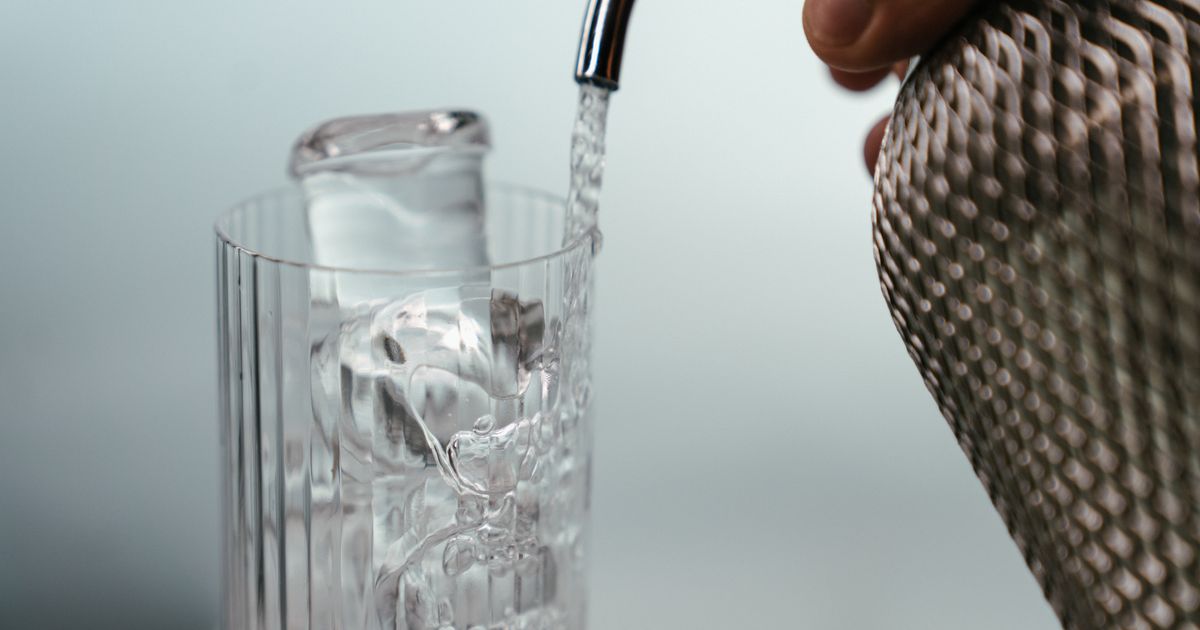
One route hands you a sealed bottle with a printed panel on it. The other hands you a machine, a cylinder and your own kitchen tap. Framed as a home sparkling water maker vs bottled sparkling water decision it sounds like a question about cost and clutter, and the more interesting difference is that only one side of it comes with published numbers. This comparison reads the Canadian rule that puts those numbers on a bottle, then reads what SodaStream Canada publishes about the machines.
This is an independent editorial review. SodaStream did not review or approve this article.
The regulation quoted below is Canadian and applies to water sold in sealed containers in Canada. It is a labeling standard rather than a safety verdict on anything, it says nothing about tap water, and it appears here because it is the only part of this comparison that produces a number a shopper can read.
What each route actually hands you
The table sorts the two formats by what is knowable before you drink anything, not by taste.
| What you are comparing | Home maker | Bottled |
|---|---|---|
| Where the water comes from | Your own supply | A named underground source |
| Mineral content disclosed | No | Yes, on a mineral or spring water label |
| Fluoride content disclosed | Through your utility, not the bottle | Yes, on that label |
| Carbonation level disclosed | Dial steps, no figure | Not required by the rule either |
| What repeats as a purchase | Gas cylinders | The whole product |
| What repeats as a chore | Refilling and swapping | Carrying and recycling |
| Consistency between servings | Depends on your technique | Set at the plant |
Where home sparkling water maker vs bottled sparkling water is settled
The two sides are not the same kind of thing. Treating home sparkling water maker vs bottled sparkling water as one product against another misses that one of them is a packaged food with a label, and the other is an appliance acting on whatever comes out of your tap.
That distinction decides which questions can even be asked. You can ask a bottle where its water came from. You cannot ask a machine, because the machine did not choose the water.
The label rule that never mentions bubbles
Division 12 of Canada’s Food and Drug Regulations covers prepackaged water and ice. Water sold as mineral water or spring water has to be “potable water obtained from an underground source and not from a public community water supply”, which is the clause that separates a bottled product from anything you can make at a sink.
Section B.12.002 then sets out what the label “shall carry a statement” of. Three items, each a number or a place:
- A statement “of the geographical location of the underground source from which it is obtained”.
- A statement “of the total dissolved mineral salt content expressed in parts per million”.
- A statement “of the total fluoride ion content expressed in parts per million”.
Now the part that matters for this particular comparison. Reading Division 12 end to end, there is no section about carbon dioxide and none about carbonation at all. The rule grades the water and is silent on the fizz. So the single variable the shopper is choosing on is ungraded on both sides, while three variables nobody asked about are published on one side only.
What SodaStream Canada publishes about its machines
The machines page at SodaStream lists eight models and sorts them on a small set of attributes. Carbonation is described in words rather than in units: the page offers water “light, medium, or extra bubbly”, and describes one model as giving “3-level precise electric carbonation”.
It also publishes a limit worth knowing before buying. A row headed “What Can You Fizz?” answers “Water” for several models, while one model is described as able to “Fizz any drink, from natural juices to wines and spirits”. That is a real specification difference and it is the kind of thing a product name does not tell you.
What the page does not say is as useful. Read on November 18, 2026, it carried no bottle size, no figure for how much water a cylinder makes, no instruction about which water to use, and no warranty term. The footer names Sodastream Canada Ltd. at an address in Mississauga, Ontario. A buyer who wants those figures has to go looking elsewhere, which is the opposite of the bottled side, where three of them are printed on the product by rule.
You can check current options here:
Check Best Deals on SodaStream
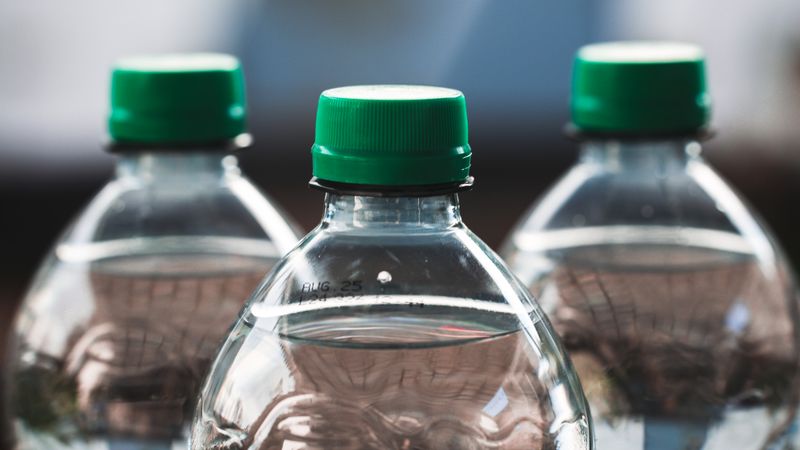
A home sparkling water maker vs bottled sparkling water comparison by checkable facts
Stripped of marketing, a home sparkling water maker vs bottled sparkling water comparison comes down to three checkable facts and one preference.
The checkable facts are the source, the dissolved minerals and the fluoride, and all three belong to the bottle. Your tap water has equivalents, but they live in a municipal water report rather than on the thing you are holding, and they change with the season and the pipe.
The preference is carbonation strength, and neither the regulation nor the appliance page expresses it as a number. A machine gives you a dial with named steps. A bottle gives you whatever the plant set, consistently, every time. Consistency and control are opposite virtues, and which one you want is not a fact anybody can publish.
Deciding home sparkling water maker or bottled sparkling water which is better
The useful version of the question is narrower than it looks. Answering home sparkling water maker or bottled sparkling water which is better takes five checks, in this order.
- Settle the mineral question first. If it matters to you, the bottle is the only side that prints it.
- Look up your own water report once. It is the closest thing to a label your tap will ever have.
- Count how many glasses a week you actually drink. Cylinder swaps scale with that, and carrying bottles scales with it too.
- Check the model row for what it is rated to carbonate, because some machines are rated for water alone.
- Ask who else uses it. A dial that each person sets differently is a feature in one household and an argument in another.
What a home sparkling water maker vs bottled sparkling water review tends to skip
Reviews measure the machine. A home sparkling water maker vs bottled sparkling water review rarely mentions that the regulation governing the bottled side has nothing to say about carbonation, so there is no shared scale on which the two could be compared in the first place.
The other thing they skip is the water itself. The appliance is identical in every kitchen; the input is not. Two people can own the same model and be drinking noticeably different water, and no review can control for that.
Related guides
- SodaStream CO2 Cylinder Exchange vs Buying a Spare Cylinder
- Fellow Stagg Kettle Versus Cosori Kettle: Same Range
- WiFi Humidifier Versus Regular Humidifier: What Is Rated
Frequently Asked Questions
Four questions come up once the label and the appliance are treated as separate things.
Ques: Does a bottle have to say where the water came from?
Where it is sold as mineral water or spring water in Canada, yes. Division 12 requires the label to carry a statement of the geographical location of the underground source, along with the dissolved mineral salt content and the fluoride content, both in parts per million.
Ques: Is there a legal carbonation level?
Not in Division 12. Reading the division through, carbon dioxide and carbonation are simply not addressed, so the strength of the fizz is set by the manufacturer on one side and by you on the other, with no published scale on either.
Ques: Can a home machine carbonate anything besides water?
It depends on the model. The seller publishes a row answering that question, and it reads water for several machines while one model is described as handling juices, wines and spirits. Treat that row as a specification rather than a suggestion.
Ques: What does the machine page not tell me?
On the day it was read it gave no bottle size, no yield per cylinder, no guidance on which water to use and no warranty length. Those are the four figures worth asking a retailer for before ordering.
You can see the current lineup on SodaStream and read the model rows for yourself:
Check Best Deals on SodaStream
Bottom line
The bottled side is a labeled food and the home side is an appliance pointed at your own supply, so three facts exist on one side and none on the other. Choose the bottle when the source matters to you, and choose the machine when control over the fizz matters more than knowing what is in the water.