

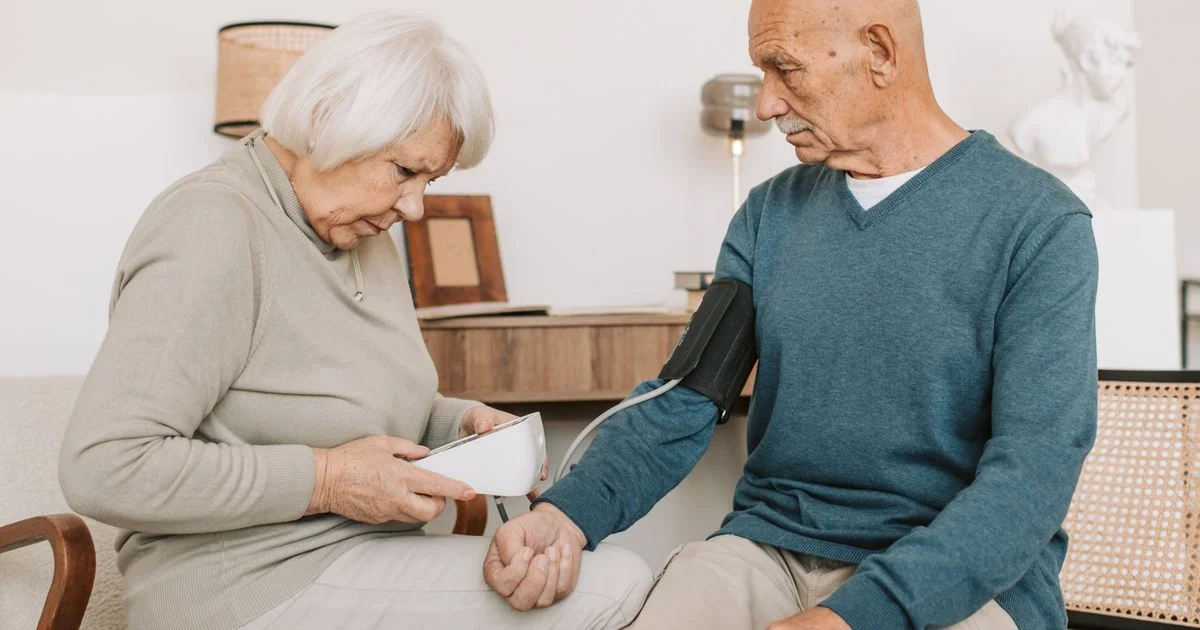
Doctors used to learn how you were doing in fifteen minutes, once every six months. That is a very thin slice of a life. The best remote patient monitoring devices close that gap by taking readings at home and sending them straight to your care team, so a problem shows up in week two instead of month five.
Key Takeaways
- Remote patient monitoring devices are prescribed medical tools, not fitness gadgets. Their job is to send readings to a clinician automatically.
- Four devices cover most needs: a blood pressure cuff, a pulse oximeter, a connected scale, and a glucose meter.
- Cellular devices beat Bluetooth ones for older patients, because they work without a phone, an app, or Wi-Fi.
- Medicare added shorter monitoring windows in 2026, so programs no longer need a full 16 days of readings to qualify.
- The device matters less than whether someone is actually reading the data. A monitor nobody watches is just a clock.
What the Best Remote Patient Monitoring Devices Actually Do
The short answer: they take a measurement, then send it somewhere on their own. That second half is the whole point. A drugstore blood pressure cuff gives you a number and forgets it. The best remote patient monitoring devices push that number to a dashboard your doctor’s office watches, with no typing, no app, and no phone call.
This is what separates remote patient monitoring, usually shortened to RPM, from ordinary home health tracking. The equipment often looks identical. The difference is the pipe behind it.
Most people meet these devices in one of two ways. Either a clinic enrolls them in a monitoring program after a diagnosis, or a family starts tracking an aging parent’s numbers and wants those numbers to reach a real doctor.
The Devices That Do the Real Work
The category sounds enormous. In practice, a small handful of tools covers the conditions that send people back to the hospital.
Blood pressure monitors
The workhorse. An upper-arm cuff measures systolic pressure, diastolic pressure, and pulse, and it is the standard tool for high blood pressure, heart failure, kidney disease, and pregnancy complications. Upper-arm cuffs are more reliable than wrist models, which are fussy about how you hold your hand.
Pulse oximeters
A clip that goes on a fingertip and reads blood oxygen saturation and pulse rate. It is used for COPD, asthma, pneumonia, and heart disease. Cheap, fast, and genuinely useful, though readings can drift on cold hands or over dark nail polish.
Connected weight scales
These look ordinary and are quietly one of the most valuable tools on the list. In congestive heart failure, a sudden two or three pound gain over a couple of days often means fluid is building up, which is an early warning worth catching.
Blood glucose meters
For diabetes management, a connected meter removes the paper logbook nobody fills in honestly. Readings land in the chart with a timestamp attached.

Beyond those four, programs add peak flow meters for asthma and lung disease, digital thermometers for infection and post-surgery monitoring, and fetal dopplers in pregnancy care. Bariatric scales exist for patients above the weight limit of a standard model.
Home Health Care Medical Devices vs. Store-Bought Wearables
Home health care medical devices and consumer wearables get shelved together online, and they should not be. A smartwatch estimates. A cuff measures. That distinction matters when a treatment decision hangs on the number.
Three practical differences worth knowing before you spend anything:
- Validation. RPM equipment is cleared for clinical use. Most wrist wearables are not, and their own documentation says so in the fine print.
- Who sees the data. A wearable reports to you. An RPM device reports to a clinician who is being paid to look at it.
- Who pays. Consumer gadgets come out of your pocket. Devices issued through a monitoring program are usually supplied by the practice.
None of this makes wearables useless. A watch is excellent at spotting trends over months. It is just not the tool you want deciding whether a medication dose is right.
Medical Monitoring Devices Comparison: Matching the Tool to the Job
A useful medical monitoring devices comparison is not a spec sheet, because the specs barely vary between brands. What varies is which device suits which situation, and how it gets its data out of your house.
| Device | Best for | Main trade-off |
|---|---|---|
| Upper-arm blood pressure monitor | Hypertension, heart failure, kidney disease | Cuff must fit correctly or readings drift high or low |
| Fingertip pulse oximeter | COPD, asthma, pneumonia recovery | Cold hands, polish, and poor circulation skew results |
| Connected weight scale | Congestive heart failure, fluid retention | Only meaningful weighed at the same time daily |
| Blood glucose meter | Type 1 and type 2 diabetes | Ongoing strip costs, and fingersticks get tiresome |
| Peak flow meter | Asthma, chronic lung disease | Depends on consistent technique from the patient |
On connection type, the honest rule is simple. Bluetooth devices pair to a phone, which means someone must own a smartphone, keep it charged, and keep an app installed. Cellular devices carry their own connection and transmit with no phone at all. For an eighty-year-old living alone, cellular wins nearly every time.
HealthArc RPM Devices Review: Why Platform Names Keep Appearing
Search for monitoring equipment and you will hit vendor names like HealthArc, Tenovi, or Prevounce rather than familiar retail brands. A HealthArc RPM devices review is worth understanding for what it is: HealthArc is a remote care software platform sold to clinics and health systems, not a store you buy a cuff from.
These companies provide the dashboard the readings flow into, the billing tools, and a catalog of compatible devices that practices order in bulk. So if your doctor enrolls you in monitoring, the platform decides your hardware. You will not be choosing a brand, and that is normal.
The practical takeaway for a patient or a family member: ask which platform your clinic uses and whether the devices are cellular or Bluetooth. That single question tells you more about how the setup will go than any product review.
Setting Up Home Monitoring Without the Headaches
Most programs fail on logistics, not technology. A short, boring checklist prevents almost all of it.
- Confirm who reads the data. Ask which staff member reviews readings and how fast they respond to an abnormal one.
- Get the cuff size right. An ill-fitting cuff is the single most common cause of wrong blood pressure numbers.
- Pick one time of day. Same chair, same arm, same hour. Consistency beats frequency.
- Choose cellular if there is any doubt about Wi-Fi, phones, or app updates.
- Agree on an escalation plan. Everyone should know what number triggers a phone call and what number triggers a trip.
What changed under Medicare in 2026
Two new billing codes took effect. One covers monitoring periods of just 2 to 15 days in a month, where the old rules required at least 16 days of readings. Another covers a shorter first block of clinical time instead of a 20-minute minimum. In plain terms, short monitoring stints now qualify — a few weeks after a medication change or a hospital discharge, rather than only long-term chronic programs. If a clinic told you a year ago that you did not qualify, that answer may have changed.
Coverage still depends on your plan and your diagnosis, so confirm details with your provider rather than assuming.
Frequently Asked Questions
A few things come up in nearly every conversation about home monitoring, usually from adult children setting this up for a parent.
Do I need a smartphone for remote patient monitoring?
Not if the devices are cellular. Cellular equipment has a built-in connection and sends readings by itself. Bluetooth equipment does require a paired phone with an app, which is worth knowing before enrollment rather than after.
Can I just use my smartwatch instead?
For general fitness trends, yes. For a condition your doctor is managing, no. Most wrist wearables are not cleared as medical devices, and their readings are estimates rather than direct measurements.
Who pays for the devices?
In a clinic-run monitoring program, the practice usually supplies the equipment as part of the program. If you buy home health gear yourself, that cost is yours. Ask your clinic directly, since arrangements vary widely.
How accurate are home blood pressure readings?
Very accurate with a validated upper-arm monitor and a correctly sized cuff. Accuracy falls off with wrist units, talking during the measurement, crossed legs, or a full bladder. Technique causes more bad readings than hardware does.
The Bottom Line
The best remote monitoring setup is the unglamorous one: a well-fitted cuff, a cellular connection, a fixed time of day, and a named person at the clinic who actually looks at the numbers. Get those four right and the specific brand on the box stops mattering. This article is general information, not medical advice, so bring any readings that worry you to your own clinician.


2 Comments
Comments are closed.