

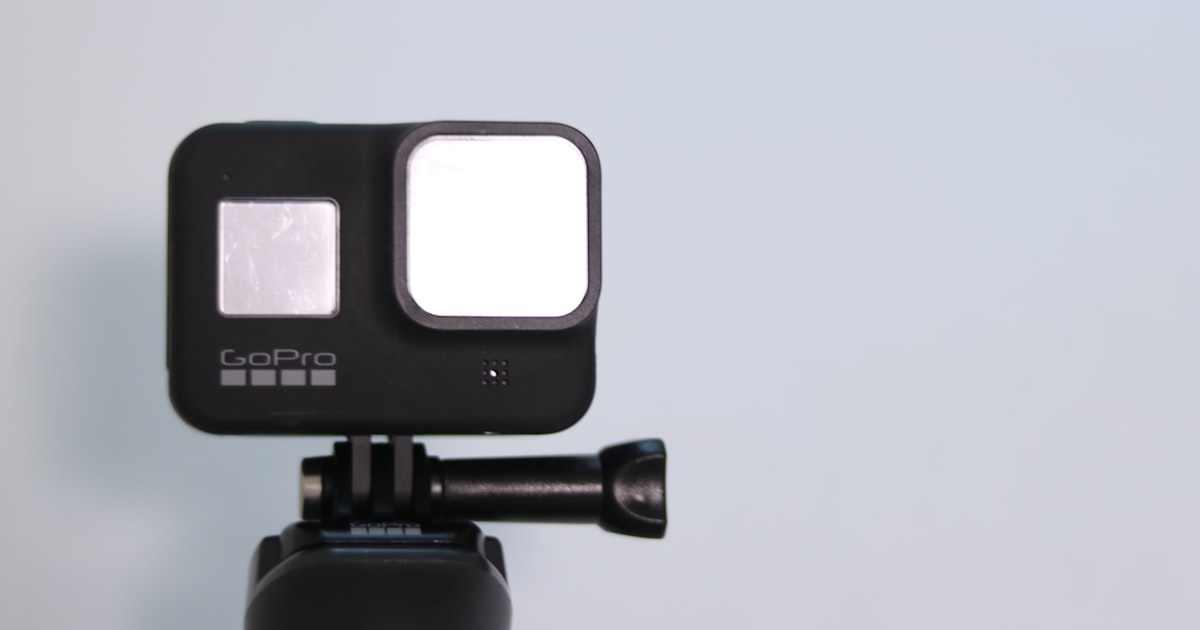
The best waterproof action camera is not usually the one with the biggest resolution number on the box. It is the one whose stabilization holds up when you are actually moving, and whose battery survives a cold morning. Those two things decide whether you keep using it.
Key Takeaways
- Stabilization matters more than resolution. Shaky 4K is worse than smooth 1080p.
- Most flagship models are waterproof to around 33 feet without a case. Deeper diving needs a housing.
- Water rarely kills these cameras. Sand and a badly closed door do.
- Battery life drops sharply in cold weather, so carry spares.
- The GoPro alternatives are genuinely competitive now, especially on stabilization and low light.
What Makes the Best Waterproof Action Camera
The short answer: the best waterproof action camera combines a real depth rating without a case, stabilization strong enough for handheld running, and a battery system you can swap in the field.
Everything else — resolution modes, voice control, front screens — is a bonus. Those three decide whether the footage is usable.
Depth Rating Versus “Water Resistant”
These phrases are not interchangeable. Water resistant means it will survive rain and splashes. Waterproof to a stated depth means it has been pressure tested and can be submerged.
Flagship action cameras are typically rated to about 33 feet, which covers swimming, snorkeling, kayaking and surf. Scuba depths require a separate dive housing, which also corrects the color shift you get underwater.
What Actually Kills Action Cameras
Almost never plain water. The real killers are a battery door closed on a grain of sand, a perished seal nobody replaced, and pressing buttons while submerged on models that do not support it.
Rinse in fresh water after every saltwater session, and check the rubber seal before you close the door. Those two habits prevent most failures.
Action Camera Stabilization Explained
The best action camera stabilization is what separates footage you keep from footage you delete. Modern electronic stabilization crops slightly into the sensor and shifts the frame to cancel out shake, and the good implementations are close to gimbal-smooth.
Two things to know. Stronger stabilization means a tighter crop, so you lose some of your wide field of view. And most systems need light — in dim conditions the camera slows its shutter and stabilization degrades.
Horizon leveling is the feature worth looking for. It keeps the horizon flat even as the camera rotates, which is the difference between a mountain bike clip looking professional and looking nauseating.
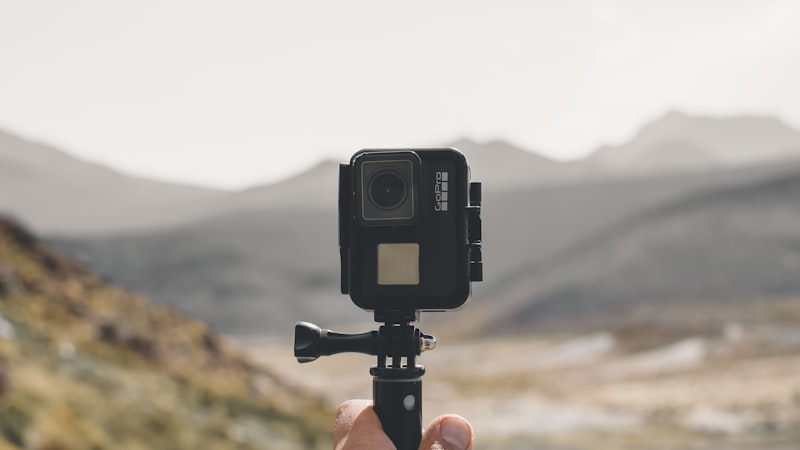
4K Action Camera Review: Which Settings Actually Matter
Read any 4K action camera review and you will see a wall of resolution and frame rate combinations. Most people only need three of them.
- 4K at 30fps — your default for scenery and general recording. Sharp, manageable file sizes.
- 4K at 60fps — for fast action, and it lets you slow footage down slightly while staying smooth.
- 1080p at 120fps or higher — proper slow motion. Lower resolution, but nobody notices in a slowed clip.
Higher resolutions than 4K exist and are mostly useful if you plan to crop or reframe in editing. They fill memory cards fast and demand a stronger computer to edit, so pick them deliberately rather than by default.
One practical note: fast, high-capacity memory cards are not optional at these bitrates. A slow card causes dropped frames and recording errors, and it is the most common cause of “the camera stopped recording” complaints.
GoPro Alternatives Worth Considering
GoPro defined this category, but the GoPro alternatives 2026 buyers have available are real competition rather than budget imitations.
| Brand | Known for | Consider it if |
|---|---|---|
| GoPro | Mature software, huge mount ecosystem | You want the safest all-round choice |
| DJI Osmo Action | Strong low-light performance, dual screens, magnetic mounting | You shoot at dawn, dusk or indoors |
| Insta360 | 360-degree capture and reframing after the fact | You want to choose the shot in editing |
| Budget brands | Low price, basic waterproof housing | Occasional holiday use only |
Model lineups change every year, so check current reviews before buying a specific version. The brand strengths above have held steady for several generations.
On budget models, be realistic. They usually record 4K but with weaker stabilization and poor low-light performance, and many require the plastic case to be waterproof at all. For a once-a-year beach trip that is fine. For regular use it is a false economy.
Accessories You Will Actually Use
- Spare batteries — the single best purchase after the camera itself
- A fast, high-endurance memory card rated for sustained video
- An extending pole, which doubles as a grip and hides itself in wide shots
- Adhesive mounts for helmets and boards, bought as a multipack
- A floating handle if you go anywhere near open water
- Anti-fog inserts for cold water, where condensation ruins otherwise good footage
Care After Water Use
- Rinse the closed camera in fresh water for a minute after any saltwater or chlorine exposure.
- Shake water out of the microphone ports and let it dry fully before opening any door.
- Open the battery door only when the outside is dry, so nothing runs inside.
- Inspect the rubber seal for grit or cracking, and replace it when it stops looking flexible.
- Store it with the doors open so trapped moisture can escape.
Frequently Asked Questions
These come up most from first-time buyers. If you are choosing between two models, the answers below usually help.
Do I need a case if the camera is already waterproof?
Not for swimming or surfing. You do need a dive housing for scuba depths, and many people use a case anyway for impact protection when mounting to a bike or helmet.
Is 4K worth it over 1080p?
Yes for scenery and anything you may crop later. For social clips watched on a phone, well-stabilized 1080p often looks better than shaky 4K and saves a lot of storage.
Why does my footage look washed out underwater?
Water absorbs red light with depth, so everything shifts blue. A red filter on the housing corrects this, and it makes a dramatic difference below about ten feet.
How long do the batteries last?
Expect well under the advertised figure once you are recording in 4K with stabilization on, and less again in cold weather. Two or three spares is normal for a full day out.
The Bottom Line
Buy for stabilization first, check the depth rating covers what you actually do, and budget for spare batteries and a fast card as part of the purchase rather than an afterthought. Rinse it after saltwater and watch the seal, and a good action camera will outlast several phones.