

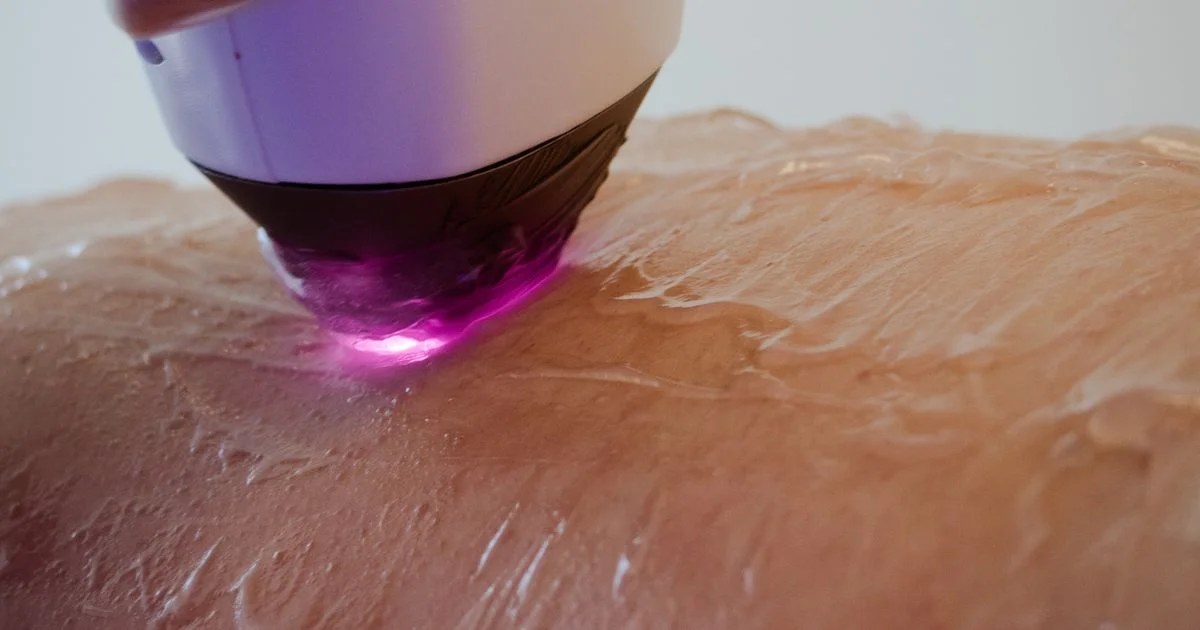
Home hair removal gadgets promise salon results for the price of two salon visits. Some of them deliver. But the best IPL hair removal device at home is useless to a large share of the people who buy one, and the reason has nothing to do with the device — it comes down to your hair color and your skin tone. That check takes thirty seconds and saves a lot of money.
Key Takeaways
- IPL targets the melanin in your hair. Dark hair on lighter skin is the ideal case.
- Very blonde, red, gray, and white hair have too little melanin for IPL to grip. No device fixes this.
- Deep skin tones are a safety issue, not just an effectiveness one — the light can heat the skin instead of the follicle.
- These devices are cleared for permanent hair reduction, not permanent removal. Expect fewer, finer hairs, not bare skin forever.
- Results take a couple of months of consistent sessions, then ongoing top-ups. Quitting at week three is the most common failure.
How the Best IPL Hair Removal Device at Home Actually Works
The short answer: it fires a broad flash of light that the dark pigment in your hair absorbs and turns into heat, and that heat damages the follicle enough to slow regrowth.
That mechanism explains every rule that follows. The light is looking for contrast — dark hair sitting in lighter skin. When the hair has plenty of pigment and the surrounding skin has little, energy goes where it should. When the skin is darker than the hair, or the hair has almost no pigment, the whole system breaks down.
This is also why the best IPL hair removal device at home only works on hair that is currently growing. Follicles cycle, and only some are in the growth phase at any moment. Repeat sessions are not a marketing trick to sell cartridges — they are how you catch each follicle during the window when it can be affected.
Will It Work on You? The Thirty-Second Check
Before anything else, hold your arm next to a mirror and answer two questions honestly.
Your hair color. IPL works on brown, dark blonde, dark brown, and black hair. It does not work on very blonde, red, or white hair, which carry far less melanin for the light to target. Gray hair falls in the same category. This is physics, not a device limitation, so no amount of extra sessions will change it.
Your skin tone. IPL has traditionally been limited to the lighter half of the skin-tone scale. Newer devices have widened that range — some are rated for deeper tones up to Type V — but the very deepest tone, Type VI, remains outside what these devices safely treat. The concern there is real: more melanin in the skin means the skin itself absorbs the energy, which can cause discoloration or, in worse cases, burns and blistering.
- Ideal: dark brown or black hair, fair to medium skin.
- Usually fine: brown or dark blonde hair, olive skin, using a device rated for your tone.
- Check the device carefully: deeper skin tones — buy only a model explicitly rated for your range.
- Do not bother: blonde, red, gray, or white hair, whatever the marketing says.
Every reputable device includes a skin-tone chart in the manual and often a built-in sensor that refuses to fire on skin it reads as too dark. Treat that sensor as a safety feature, not an obstacle to work around.
Laser Hair Removal at Home Comparison: IPL vs Diode
A fair laser hair removal at home comparison has to start by separating two things that shoppers use interchangeably. IPL is broad-spectrum light — many wavelengths at once, scattered over a wide window. A diode laser is a single, focused wavelength. Both aim at the same pigment; they just get there differently.
| Type | Best for | Trade-off |
|---|---|---|
| At-home IPL | Large areas like legs and arms, where a wide flash window covers ground fast | Less precise energy, so it generally needs more sessions to show the same result |
| At-home diode laser | Small, stubborn areas and coarse hair; more focused energy per pulse | Smaller treatment window means slower going over big areas, and devices cost more |
| Professional clinic laser | Deeper skin tones, coarse hair, and the fastest visible results | Far more expensive over a course of treatment, and you have to book and travel |
Note what the table avoids: dollar figures. Device pricing in this category swings constantly with sales and bundles, and any number printed here would be wrong within a month. The useful comparison is coverage area versus precision.

Painless Hair Removal Device Review: What It Actually Feels Like
Any honest painless hair removal device review should retire the word “painless.” What people report is a warm snap, often compared to a rubber band flicked against the skin. It is milder than waxing and briefer than epilating, but it is not nothing.
Intensity varies with the level you choose, and most devices offer several. The temptation is to run the highest setting immediately for faster results. Resist it. Start at a low level, treat a small patch, and wait a day to see how your skin reacts before moving up.
What makes it hurt more
- Coarse, dense hair in areas like the bikini line or underarms.
- Skipping the shave beforehand — surface hair singes and stings.
- Recently tanned or sunburned skin, which is more sensitive and less safe to treat.
- Bony areas where there is little tissue between the device and the bone.
Permanent Hair Removal Device Ranked — Starting With the Label
Search for a permanent hair removal device ranked list and you will find plenty. The problem is the word “permanent.” Devices in this category are cleared for permanent hair reduction — meaning a lasting decrease in the number of hairs that grow back — not permanent removal.
That distinction matters when you set expectations. A realistic good outcome is noticeably sparser, finer, slower-growing hair, with maintenance sessions every so often to hold the line. An unrealistic expectation is skin that never grows a hair again. People who expect the second one give up at the point where the first one was starting to work.
When you compare devices, the specifications worth weighing are these:
- Skin-tone rating. Does it explicitly cover your tone? This filters the list faster than anything else.
- Flash window size. Bigger windows cover legs quickly; smaller ones handle the face and bikini line.
- Flash count or lamp life. Cartridge-based devices run out; many newer ones last the life of the unit.
- Intensity levels and a skin sensor. More levels means a gentler ramp-up, and a sensor is a genuine safety net.
- Corded or cordless. Cordless is convenient; corded units usually hold full power throughout a session.
How to Use One Without Wasting Three Months
- Shave the area first. IPL targets the follicle below the surface, not the hair above it.
- Clean and dry the skin, and remove lotions or deodorant that could interfere.
- Patch test on a small area at a low setting, then wait 24 hours.
- Work in overlapping passes so you do not leave untreated stripes.
- Stick to the schedule in your manual — most direct roughly weekly sessions at first, then spaced-out top-ups.
- Avoid sun exposure and self-tanner on treated areas, and use sunscreen.
Skip tattoos, moles, and broken skin entirely. If you have a skin condition, take medication that increases light sensitivity, or are unsure whether a device suits you, ask a dermatologist before starting rather than after.
Frequently Asked Questions
These are the questions that come up most often once people start shopping, and the answers tend to change the decision.
How long before I see a difference?
Most people notice thinner, patchier regrowth after several weeks of consistent sessions, with the clearer change arriving around the two-to-three-month mark. Consistency matters more than intensity.
Can I use it on my face?
Only if the device says so, and only on the areas it names — usually the upper lip and chin, never above the cheekbones or near the eyes. Facial skin is thinner and less forgiving.
Is at-home IPL as good as going to a clinic?
No, and it is not meant to be. Clinic devices run far more energy under professional supervision, which is why they work faster and can treat a wider range of skin tones. Home devices trade speed for convenience and cost.
What if my hair is blonde or gray?
IPL will not do much for you. Electrolysis is the option that does not depend on pigment, and it is worth asking a licensed professional about rather than buying a light-based device and hoping.
The Bottom Line
Check your hair color and skin tone before you check reviews — that single step decides whether any of these devices can work for you. If you clear it, pick one rated for your tone, commit to the full schedule, and expect meaningfully less hair rather than none at all.


2 Comments
Comments are closed.