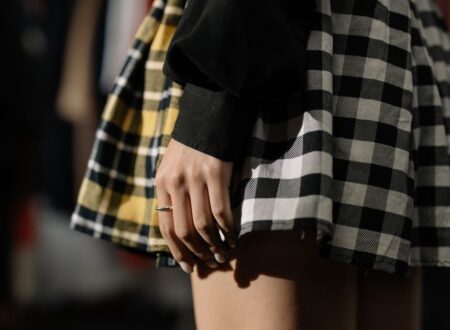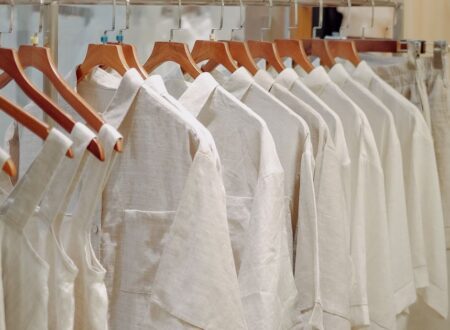


Both are natural, both are sold as summer staples, and on a screen they can look the same. The difference in linen vs cotton dresses shows up when you wear them on a hot afternoon and again when you take them out of the wash. This guide compares the two fabrics and explains what to look for on a product page, using Princess Polly Australia as the example store.
This is an independent editorial review. Princess Polly did not review or approve this article, and other brands are named only as reference points.
Comparison table: linen and cotton
| Point | Linen | Cotton |
|---|---|---|
| Source | Stalk of the flax plant | Boll of the cotton plant |
| Feel when new | Crisp and textured | Soft and smooth |
| Breathability | Very high, dries fast | High, holds moisture longer |
| Creasing | Creases easily | Creases less, depending on weave |
| Drape | Stands away from the body | Ranges from crisp poplin to fluid jersey |
| Over time | Softens with each wash | Can thin or fade with heavy washing |
| Typical cost | Higher | Lower |
What sets linen vs cotton dresses apart in the heat
The heat test is where linen vs cotton dresses separate. Linen fibers are hollow and stiff, so the cloth sits off the skin and lets air through. It also releases moisture quickly. Cotton absorbs sweat well but stays damp for longer, which can feel heavy in humid weather.
On a dry 25 degree day you may not notice. On a humid 35 degree day you will.
Why people choose linen dresses
Fans of linen dresses accept the creases as part of the look. The fabric has a visible weave, a matte surface and a relaxed shape that suits loose cuts.
- Coolest option for very hot or humid days.
- Gets softer and more comfortable with age.
- Needs steaming or ironing if you want it smooth.
Why people choose cotton dresses
The strength of cotton dresses is range. Cotton can be woven into crisp poplin, airy voile, sturdy denim or stretchy jersey, so the same fiber covers fitted, floaty and casual styles. It is soft from the first wear and easy to wash.

Thin cotton can be see-through in pale colors, so check if the dress is lined.
Check Best Deals on Princess Polly
What a linen blend really is
Many dresses sold with the word linen are a linen blend, where flax is mixed with cotton, viscose or polyester. A blend creases less and costs less, and it gives up some of the cooling effect. The only way to know is the composition line. In the store feed we read in November 2026, just two of the first 250 dresses had linen in the product name, so always read the fabric details and never rely on how a dress looks in a photo.
Picking summer dresses by fabric
For summer dresses in Australia, match the fabric to the day and not to the trend.
- Read the composition line and note the percentage of each fiber.
- Choose linen or a high-linen blend for humid heat and beach days.
- Choose cotton poplin or voile for a smoother, dressier finish.
- Check if the dress is lined, especially in white.
- Follow the care label: cool wash and line dry suit both fabrics.
The Australian returns page states returns within 30 days of delivery, with free exchanges for Australian customers.
Related guides
- Silk Clothing vs Satin Clothing: What Quince Publishes
- Maxi Dress vs Midi Dress: What Free People Publishes
- Heavyweight Cotton Polo vs Lightweight Cotton Polo
Frequently Asked Questions
Fabric questions that come up before most summer orders.
Ques: Does linen shrink?
It can, mainly in a hot wash or a tumble dryer. Wash cool and dry on a line or flat to keep the size.
Ques: How do I stop linen from creasing?
You cannot stop it fully. Hang the dress while damp, steam it before wearing, or choose a blend that resists creases.
Ques: Which fabric is softer?
Cotton is softer when new. Linen starts crisp and softens over many washes.
Ques: Which lasts longer?
Linen fibers are very strong, so a well-made linen dress can last for years. Cotton life depends on the weave and how often it is washed.
Check Best Deals on Princess Polly
Bottom line
Linen is the cooler, crisper and more crease-prone fabric, and cotton is softer, smoother and more varied. Read the composition line on every listing, because a blend behaves differently from either one.