
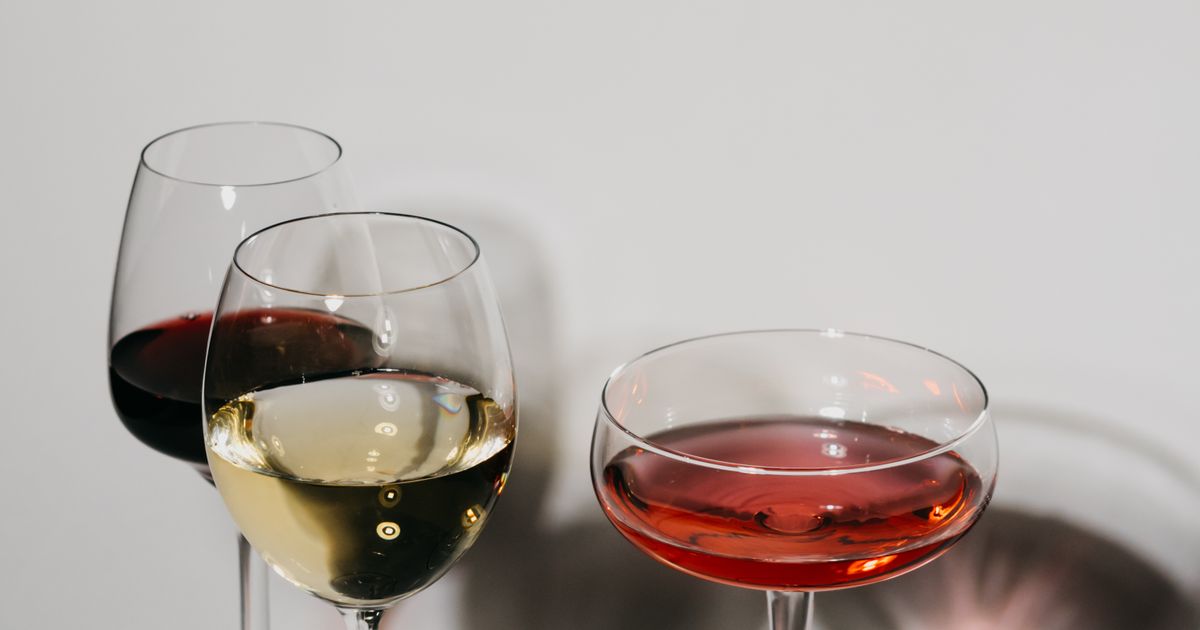
The color in the glass is the least interesting difference between the two. What truly separates red vs white wine is how long the juice spends with the grape skins, and that one step in the winery changes taste, texture, serving temperature and the food each suits. This guide explains the split in plain terms, with Naked Wines, a UK wine club, as the shopping reference.
This is an independent editorial review. Naked Wines did not review or approve this article, and other brands are named only as reference points.
Comparison table: red and white
| Point | Red | White |
|---|---|---|
| Grapes | Dark-skinned grapes | Mostly pale grapes, sometimes dark grapes pressed quickly |
| Skin contact | Juice ferments with the skins | Skins are removed before fermentation |
| Tannin | Present, from mild to firm | Very little |
| Typical flavors | Berries, plum, spice, sometimes oak | Citrus, apple, stone fruit, flowers |
| Feel | Fuller, sometimes drying | Lighter and crisper |
| Serving | Cool room temperature | Chilled |
| Classic matches | Red meat, tomato dishes, hard cheese | Fish, chicken, salads, creamy sauces |
How red vs white wine is made differently
Grape juice is nearly colorless whatever the grape. The winemaking behind red vs white wine differs at one point. For red, the crushed grapes ferment together with their skins, which give color, flavor and tannin. For white, the grapes are pressed first and only the juice ferments. Rose sits between the two, with brief skin contact.
What gives red wine its grip
Tannin is the reason red wine can feel drying on the gums, like strong tea. It comes from skins, seeds and sometimes oak barrels. Tannin gives structure and helps a bottle age, and it softens next to protein and fat, which is why a firm red tastes smoother with steak or cheese.
- Light reds, such as Pinot Noir, have gentle tannin.
- Medium reds, such as Merlot, feel rounder.
- Full reds, such as Cabernet Sauvignon, are firm and dark.
What makes white wine taste fresh
Acidity is the backbone of white wine. It is the mouth-watering quality that makes a cold glass feel refreshing. With no skins in the ferment there is little tannin, so the flavors are cleaner and more delicate. Some whites are aged in oak for a richer, creamier style, and others are kept in steel to stay crisp.
Check Best Deals on Naked Wines
Simple rules for food and wine pairing
Good food and wine pairing is about matching weight and balancing fat, acid and spice. The old rule of red with meat and white with fish works because of tannin and acidity, but the sauce often matters more than the main ingredient.
- Match the weight: light dishes with light wines, rich dishes with fuller ones.
- Use acidity to cut through cream, butter and fried food.
- Use tannin with fatty, protein-rich dishes.
- Keep high-tannin reds away from very spicy food, which makes them taste harsh.
- When unsure, choose a crisp white or a light red, since both are flexible.
Getting wine serving temperature right
The right wine serving temperature changes how a bottle tastes. A red served too warm tastes heavy and alcoholic, and a white served too cold tastes of very little. A useful habit is to put a red in the fridge for about 15 minutes before pouring and take a white out about 15 minutes before pouring.
Naked Wines works as a club. Members add wine credit to an account, the money backs independent winemakers, and orders are made in cases of at least six bottles. A mixed case with both colors is an easy way to test your own taste across styles.
Related guides
- Mixed Wine Case vs Single Varietal Case: Naked Wines
- Wine Delivery Membership vs Buying Wine in Store
Frequently Asked Questions
Quick answers to common questions about the two styles.
Ques: Is red wine stronger than white?
Often slightly, because red grapes are usually picked riper. Alcohol level varies by bottle, so read the label.
Ques: Can white wine be made from red grapes?
Yes. If dark grapes are pressed gently and the juice is taken off the skins at once, the result is white. Some sparkling wines are made this way.
Ques: Should red wine ever be chilled?
Light reds are often better slightly cool. A short spell in the fridge sharpens the fruit.
Ques: Which is easier for beginners?
Many people start with fruity, low-tannin wines of either color. Try a light red and a crisp white with the same meal and see which you prefer.
Check Best Deals on Naked Wines
Bottom line
Red gets its color, tannin and weight from fermenting with the skins, and white stays light and crisp because the skins are removed. Match the weight of the wine to the dish, serve reds a little cooler and whites a little warmer than habit suggests, and enjoy in moderation.