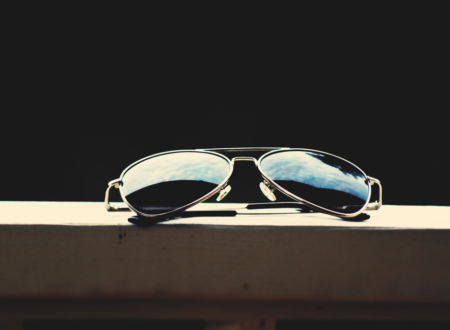

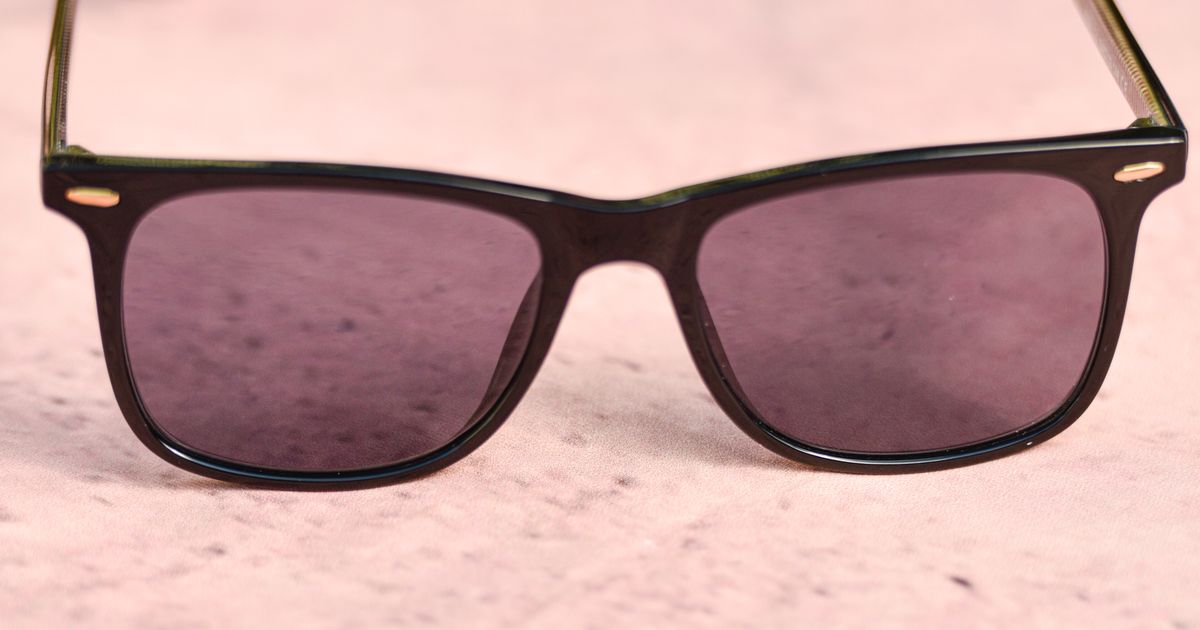
Sunglasses are sold on looks, but the frame is a small piece of engineering: a hinge, two arms and a material that has to survive a hot car and a back pocket. Putting sin eyewear vs traditional sunglasses next to each other is mostly a comparison of what the frame is made from and what the seller promises after the sale. Everything below about the brand comes from its own Australian store.
This is an independent editorial review. SIN Eyewear did not review or approve this article, and other brands are named only as reference points.
Comparison table: SIN Eyewear and traditional pairs
| Point | SIN Eyewear | Traditional sunglasses |
|---|---|---|
| Main frame materials | Recycled plastic, TR90 and polycarbonate, with a few acetate, metal and wood styles | New acetate, metal or injected nylon |
| Lens labels | Polarised and UV400 listed on most product pages | Varies by brand and price |
| Where sold | Direct from the brand online | Often through optical and fashion retailers |
| What comes in the box | Case and cleaning cloth with each order | Varies |
| Warranty stated | Minimum one year on all products | Varies by maker |
| Returns stated | Up to 30 days from delivery, unused | Set by each retailer |
What sin eyewear vs traditional comes down to: the frame
The largest gap in sin eyewear vs traditional pairs is the plastic. A classic frame is cut from sheets of new acetate or bent from metal wire. Much of the SIN Eyewear range is instead molded from recycled plastic or from flexible modern polymers. That changes weight, flex and how the frame can be repaired.
How recycled plastic sunglasses are different
The brand describes many of its styles as made from 100% recycled materials. When we read the store feed in November 2026, 83 of 171 listed products carried a recycled plastic tag. In practice, recycled plastic sunglasses are injection molded, so they are light and consistent from pair to pair.
- Lighter on the nose than a thick acetate frame.
- Usually not adjustable with heat the way acetate is.
- Color is molded in, so scratches are less visible.
A recycled claim describes the source of the material. It does not by itself tell you how long the frame will last, so the warranty line still matters.
What a tr90 frame adds
A tr90 frame is made from a nylon-based plastic known for bending without snapping. The brand uses it on its wrap-around sports styles and describes it as lightweight and flexible. For running, cycling or work outdoors, that flex is the practical reason to choose it over a rigid frame.
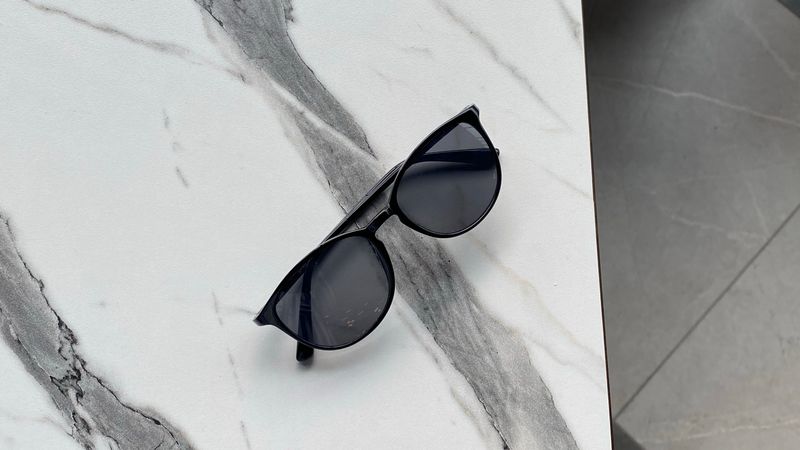
The same range includes a small safety line. Those pairs are listed as certified to AS/NZS 1337.1:2010 for medium impact, which is a workplace eye protection standard and a different thing from fashion sunglasses.
Check Best Deals on SIN Eyewear
Where traditional acetate frames still lead
Classic acetate frames have real strengths. An optician can warm and reshape them to fit your face, the hinges are often metal and replaceable, and the layered colors have a depth that molded plastic cannot copy. The brand sells a few handmade acetate styles too, so the two worlds overlap.
The cost of that tradition is weight and price. Acetate is heavier, and a frame from an optical store usually carries retailer margins on top.
How the sunglasses warranty and returns compare
The store states a minimum one year sunglasses warranty on all products. Its refund policy offers returns up to 30 days from delivery for unused items in original packaging, and its shipping policy says the buyer pays for return postage. Orders placed before midday Australian Eastern time are listed as dispatched the same day.
With a traditional pair bought in a shop, the terms depend on the retailer and the maker. Use these steps for either route.
- Read the warranty length and what it excludes, such as scratched lenses.
- Check who pays for return postage.
- Keep the case, cloth and packaging until you are sure of the fit.
- Try the pair indoors first so it stays in unused condition.
Related guides
Frequently Asked Questions
These answers use the store’s published terms as read in November 2026.
Ques: Are SIN Eyewear lenses polarised?
Most are. 124 of the 171 products in the store feed carried a polarised lens tag when we checked, and UV400 is listed on many product pages.
Ques: Are recycled frames weaker than new plastic?
Not by rule. Strength depends on the polymer and the design. The stated warranty is the best published signal of how much the maker trusts the frame.
Ques: Can an optician adjust these frames?
Molded frames have limited adjustment compared with acetate or metal. If you need a custom fit, ask an optician before buying.
Ques: Does the brand sell prescription sunglasses?
We did not find prescription lenses in the product feed. The range covers sunglasses, blue light glasses and safety glasses.
Check Best Deals on SIN Eyewear
Bottom line
SIN Eyewear leans on recycled and flexible molded frames with polarised lenses and clearly stated after-sale terms, and traditional sunglasses lean on adjustable acetate and metal sold through retailers. Decide if you value low weight and price or a fitted, repairable frame, then read the warranty either way.