

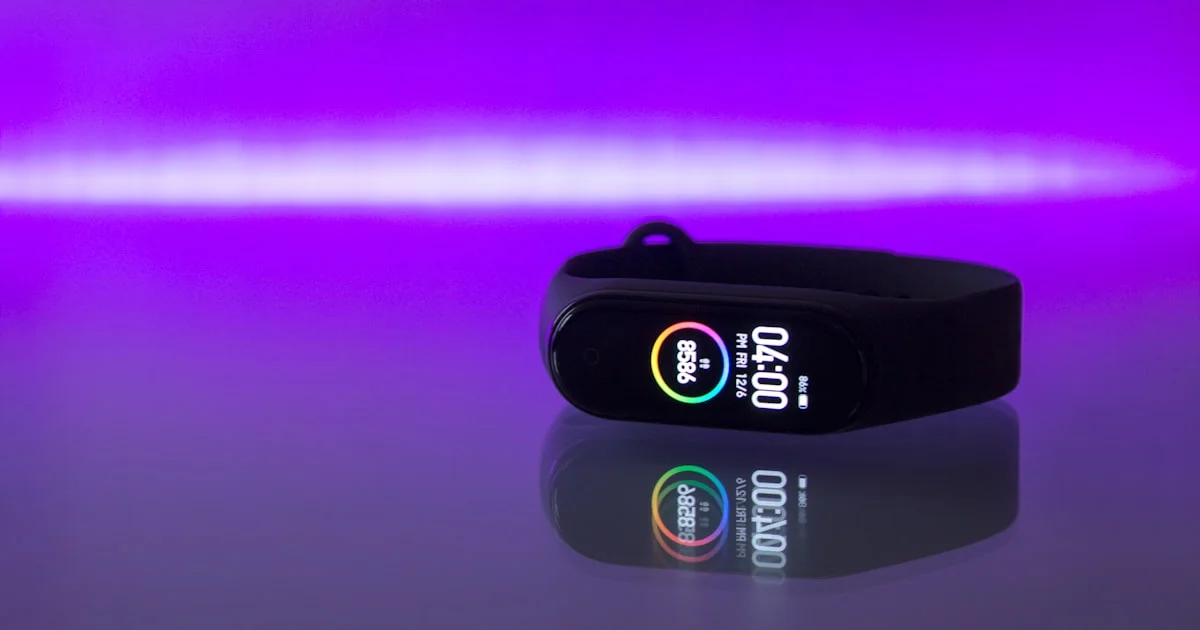
Fitness trackers have quietly become very good at some things and are still quietly bad at others. Knowing which is which is the whole trick to buying well. The best fitness trackers for 2026 are the ones whose strengths line up with what you actually want to measure.
Key Takeaways
- Steps and heart rate at rest are reliable. Calorie burn is not.
- You only need built-in GPS if you run or cycle without your phone.
- A cheap band and a premium watch count steps equally well.
- Battery life decides whether you wear it at night, which is where sleep data comes from.
- Check whether the useful features sit behind a subscription before buying.
What Makes the Best Fitness Trackers for 2026
The short answer: the best fitness trackers for 2026 are comfortable enough to wear all day and night, last long enough between charges that you never take them off, and measure the specific things you care about accurately.
Comfort and battery matter more than sensor count. A tracker in a drawer measures nothing, and that is where most abandoned trackers end up within three months.
Accuracy of Fitness Trackers: What to Trust
The accuracy of fitness trackers varies enormously between metrics, and manufacturers rarely spell that out.
| Metric | How reliable | What to know |
|---|---|---|
| Steps | Good | Usually within a few percent. Miscounts arm movement sometimes |
| Resting heart rate | Good | Wrist sensors do well when you are still |
| Heart rate in intervals | Fair | Lags during sharp changes. A chest strap is far better |
| Distance without GPS | Fair | Estimated from stride length. Improves after calibration |
| Calories burned | Poor | Commonly off by 20% or more. Treat as a rough trend only |
| Total sleep time | Fair to good | Reasonable at knowing when you slept |
| Sleep stages | Poor | Light, deep and REM splits are not reliable |
| Blood oxygen | Poor to fair | Wellness feature, not a medical reading |
The practical takeaway: trust the trends, not the absolute numbers. If your resting heart rate drifts up over two weeks, that is meaningful. If today’s calorie count says 2,340, that number is a guess.

Fitness Tracker with GPS: Do You Need It?
A fitness tracker with GPS costs more and drains battery faster, so it is worth being honest about whether you will use it.
You need built-in GPS if you run, cycle, hike or swim outdoors without carrying your phone, or if accurate pace and route data matters to your training.
You do not need it if you take your phone everywhere anyway. Connected GPS uses your phone’s signal and is just as accurate, at no cost to the tracker’s battery or price.
Most people fall into the second group and pay for the first. If you always have your phone in a pocket or armband, that money is better spent on comfort or battery life.
Affordable Fitness Trackers Versus Premium Watches
The gap between affordable fitness trackers and flagship smartwatches is narrower than the price difference suggests.
Budget bands typically give you steps, heart rate, sleep tracking, notifications and often a week or two of battery. That covers what most people actually use.
Premium watches add built-in GPS, richer training analysis, ECG and irregular rhythm alerts, offline music, contactless payments and app ecosystems — usually at the cost of charging every day or two.
The honest question is not which is better. It is whether you will use the extras. Someone who wants to know if they are moving enough is well served by a cheap band. Someone training for a marathon is not.
Before You Buy
- Check the subscription. Some brands lock detailed sleep and readiness scores behind a monthly fee. Know before you buy, not after.
- Confirm phone compatibility. A few features are iPhone-only or Android-only even when the hardware supports both.
- Look at the strap. You will wear this for 16 hours a day. Cheap silicone irritates some skin.
- Check the water rating. “Water resistant” and “swim-proof” are not the same thing.
- Read the battery figure carefully. Advertised numbers assume features are off. Real use is usually shorter.
- Think about the display. Always-on screens are convenient and cut battery life roughly in half.
Band or Watch?
Bands are light, cheap and disappear on your wrist, which makes them easy to wear overnight. Screens are small, so reading messages is awkward.
Watches give you a usable screen, apps and payments, and look like a normal watch. They are heavier and need charging far more often.
If sleep tracking matters to you, lean toward a band. Watches that need nightly charging cannot record the thing you bought them for.
Frequently Asked Questions
These come up most from first-time buyers. If you are caught between models, the answers below usually help.
Are cheap fitness trackers accurate?
For steps and resting heart rate, yes — close to premium models. The gap shows up in GPS accuracy, heart rate during hard intervals, and the quality of the analysis in the app.
Do I need to wear it while sleeping?
Only if you want sleep data. If you do, pick something light with multi-day battery, since a tracker charging overnight is a tracker not measuring anything.
Can it detect health problems?
Some watches have ECG and irregular rhythm notifications that have genuinely prompted people to seek care. They are screening tools, not diagnoses. Anything concerning belongs in front of a doctor.
How long do they last?
Two to four years typically, usually limited by battery degradation and software support rather than the device breaking.
The Bottom Line
Buy for comfort and battery life first, then match the sensors to what you genuinely track. Trust trends rather than exact numbers, skip built-in GPS unless you exercise without your phone, and check for subscriptions before you pay. A cheap band worn every day beats an expensive watch left charging on a shelf.


2 Comments
Comments are closed.