


A recording is a file, and a voice is not. That one distinction decides most of what matters in freelance voice over artist vs AI voice generator, because the thing you pay for and the thing you walk away owning are not the same object. The marketplace sorts the aisle by how a voice sounds. The law sorts it by what was fixed in the recording.
This is an independent editorial review. Fiverr did not review or approve this article.
The statute quoted below describes how far copyright in a sound recording reaches. It is not a verdict on whether a performance is good, whether synthetic audio is appropriate for a given project, or whether any seller is reliable, and nothing here is legal advice about a particular commission.
Mapping freelance voice over artist vs AI voice generator in one table
| Variable | Freelance artist | AI voice generator |
|---|---|---|
| What is delivered | A fixed recording of a performance | A fixed recording of a synthesis |
| What you supply | A script and a brief on tone | A script and a set of parameters |
| Rework loop | A revision round with a person | Regeneration, usually instant |
| Sortable on the storefront | Language, budget, delivery time, seller tier | Listed as a separate service family |
| Not sortable at all | The usage license | The usage license |
| What the file protects | Those exact sounds, not the voice | Those exact sounds, not the voice |
The aisle sorts by how the voice sounds and never by what you may do with it
Read on 2026-11-28, the voice over and narration listing opens with the line “Get a voice over recorded in any style, language, or accent.” and reports “22,000+ results”. Its filter rail offers a language selector, seller details, budget, delivery time, a professional tier and an online now toggle, with a default sort of best selling. Below the grid it branches into twenty-five named subcategories, and the pattern in those names is worth reading slowly: male and female, French and German, Australian, British and American, friendly, energetic, cute, calming, funny, deep and corporate, plus use cases from audiobook and animation through to meditation, dubbing and video game.
Every one of those sorts the sound. Not one sorts the paperwork. There is no facet for commercial use, for broadcast rights, for exclusivity or for how long a license runs. Individual sellers put it in their own titles instead, in lines such as “I will record your professional voice over in american english with commercial rights”, which means the variable that decides whether the file is usable at all is a free text claim inside a product name.
Copyright in a recording stops at the recording
Federal law is unusually blunt about the limit. Under section 114 of the copyright statute, the owner’s exclusive right “is limited to the right to duplicate the sound recording in the form of phonorecords or copies that directly or indirectly recapture the actual sounds fixed in the recording.” The derivative right is drawn just as narrowly, covering a work “in which the actual sounds fixed in the sound recording are rearranged, remixed, or otherwise altered in sequence or quality.”
Then comes the sentence that settles the comparison. Those rights “do not extend to the making or duplication of another sound recording that consists entirely of an independent fixation of other sounds, even though such sounds imitate or simulate those in the copyrighted sound recording.”
Read that as a buyer rather than as a lawyer. What you commission and receive is a particular fixation of particular sounds. The timbre is not the asset. A second recording that sets out to sound like the first, by any method, is a different fixation, and this section of the statute does not reach it. The protection you are buying lives in the file and in the contract around it, which is exactly the thing the storefront declines to let you filter on.
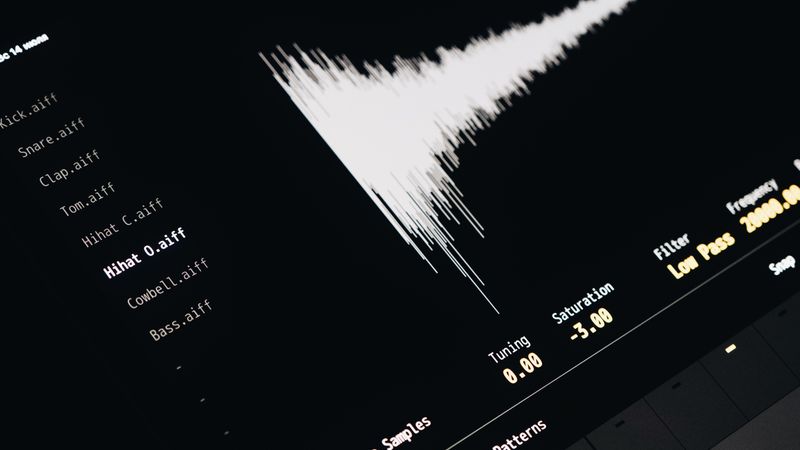
Reading the freelance voice over artist vs AI voice generator pros and cons as a workflow
A useful freelance voice over artist vs AI voice generator pros and cons list is a workflow list, because both routes end in the same kind of file and diverge on how you get there and what happens when it is wrong.
- Both routes require the script first. The marketplace says so directly: “However, you will need to prepare the script you want them to read, and explain the desired tone of the piece.” Neither option removes the writing.
- The synthetic route is a separate department, not a cheaper seller. It appears under its own heading, described as “Voice Synthesis & AI” with text to speech beneath it, and the section tagline is “Fine-tune your sound with AI.”
- The human route makes revisions a negotiation; the synthetic route makes them a regeneration. That is a scheduling difference before it is a quality one.
- Scale inverts the advantage. One sixty second read is a small commission. Two hundred product clips with weekly changes is a pipeline, and pipelines favor a process you can rerun.
- Neither route is sorted by rights, so on both you ask the same question in writing before you buy.
Asking is freelance voice over artist better than AI voice generator gets a scope answer
Teams who ask is freelance voice over artist better than AI voice generator usually find the answer is set by the job rather than by the method. Five checks separate them reliably.
- Name the end use before you shop. Internal training, a paid advertisement and a broadcast spot are three different licenses, and only one of them is usually the default.
- Get the usage grant in the order text. Since no facet carries it, the written brief is where it has to live.
- Count the revisions you expect. A script that will change four times is a different purchase from one that is locked.
- Decide whether a named person matters. If the deliverable needs a performer who can be credited, approached again, or asked to re record, only one route supplies that.
- Check the delivery clock against your edit. The storefront lets you filter by delivery time, which is the one scheduling variable it does sort.
You can see how the category is organized on Fiverr and read the subcategory list for yourself.
What a freelance voice over artist vs AI voice generator 2026 roundup leaves out
A freelance voice over artist vs AI voice generator 2026 roundup almost always ranks by cost per minute. Three things it skips do more to decide the outcome.
The first is that the aisle publishes a quality signal and not a rights signal. The category prints an average rating drawn from roughly 1.5 million reviews, which tells you about satisfaction and nothing about licenses. The second is that the operating entity is a marketplace rather than a studio; the footer names Fiverr International Ltd. as the company behind the listings, and the seller is the counterparty for the work itself. The third is the one the statute supplies: because imitation of a recorded voice falls outside the recording right, exclusivity is something you contract for, never something you get by default.
Related guides
- Freelance Video Editor vs In House Video Editor
- AI Tool for Small Businesses vs Hiring a Freelancer
- Freelance Logo Designer vs Logo Design Agency
Frequently Asked Questions
These are the questions buyers ask once rights, rather than timbre, decide the purchase.
Ques: Do I own the recording I commission?
You own what the order says you own. The statute protects the fixed sounds, so the grant you negotiate is what decides if you can broadcast, edit or resell them.
Ques: Does copyright stop someone imitating a voice I paid for?
Not under the sound recording right. That right reaches the actual sounds fixed in your file and expressly does not reach an independent fixation that merely imitates them.
Ques: Can I filter the marketplace by commercial rights?
No. The filter rail covers language, seller details, budget, delivery time, professional tier and availability. Rights wording appears only inside individual listings.
Ques: Is synthetic audio listed separately from human sellers?
Yes. Voice synthesis sits in its own service family alongside text to speech, rather than mixed into the voice over and narration grid.
Bottom line
Pick the human when the deliverable needs a performer you can go back to, and pick synthesis when the script will keep changing and the pipeline matters more than the person. Either way, write the usage grant into the order, because the storefront will not sort it for you.