

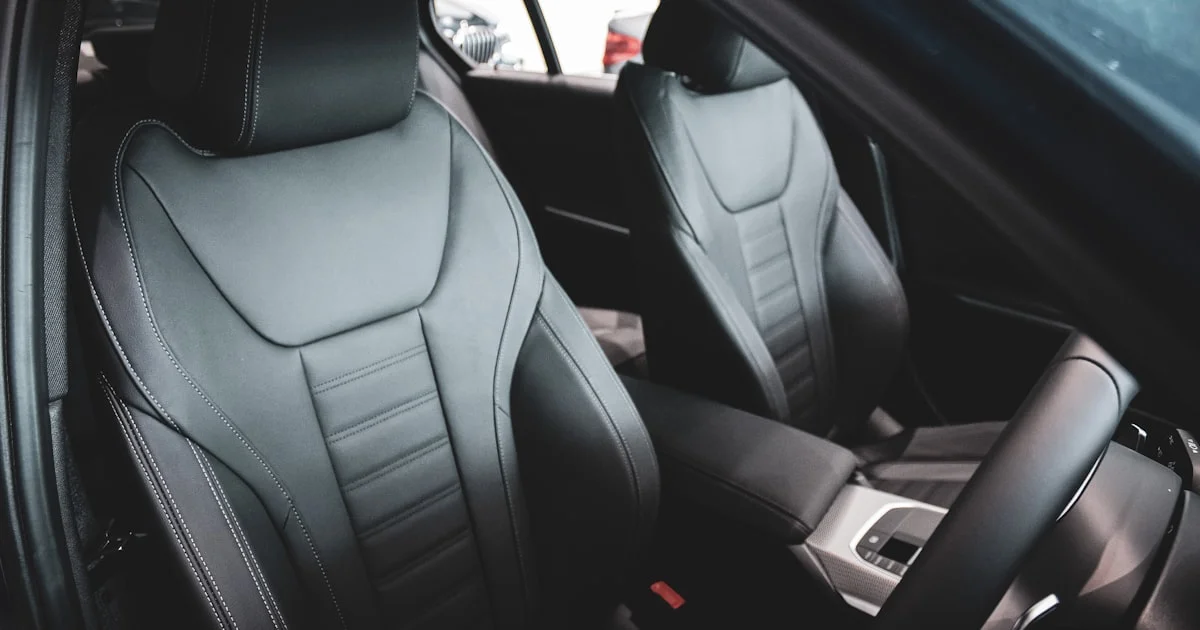
Long drives are hard on your back. A massage cushion for car seat use straps over your existing seat and works on the muscles that stiffen up somewhere around hour two. The good ones make a real difference. The cheap ones just buzz.
Key Takeaways
- Vibration soothes and keeps you alert. Shiatsu nodes actually knead muscle. They are not the same product.
- Heat is the feature most people end up using most, and the one most often skipped on cheap models.
- Check the power source — a 12V car socket plug is far more practical than a battery on a long drive.
- Deep kneading nodes can be distracting while driving. Save the strong settings for when you are parked.
- A cushion is comfort equipment, not medical treatment for a back problem.
What a Massage Cushion for Car Seat Use Actually Does
The short answer: a massage cushion for car seat use increases blood flow and loosens surface muscle tension in your back and shoulders while you sit still for hours. That is the realistic benefit.
It will not fix posture, realign anything, or cure a disc problem. What it does well is stop the slow stiffening that turns a five-hour drive into two days of soreness.
Vibration Versus Shiatsu Nodes
Vibration cushions use small motors that buzz across zones. They are light, thin, cheap, and gentle. The sensation is pleasant and mildly stimulating, which helps on a monotonous highway stretch.
Shiatsu cushions use rotating nodes that press and knead in circles, mimicking thumbs. They are noticeably more effective on tight muscle, and also thicker, heavier, and more expensive.
If you want genuine relief, get shiatsu. If you want light comfort in a thin package that does not change your driving position, get vibration.
Heat Is the Underrated Feature
Ask anyone who owns one which setting they use most and the answer is usually heat. Warmth relaxes muscle before any massage mechanism gets to work, and on a cold morning it is the whole reason to switch the thing on.
Look for heat that can run independently of the massage function. Being forced to take vibration in order to get warmth is a genuinely annoying design flaw.
Portable Seat Massager Review: The Honest Trade-Offs
Any useful portable seat massager review has to be clear about what you give up for portability.
Thickness changes your driving position. A chunky shiatsu cushion pushes you two or three inches forward. On a short person in a small car, that matters. Sit in your car and measure before ordering.
Noise is real. Rotating nodes are audible over a podcast at low volume. Reviews rarely mention it and owners always do.
Coverage is fixed. Most cushions target a set zone. If your problem is your lower back and the nodes concentrate on shoulders, it is the wrong cushion for you, no matter how good it is.
Travel Massage Device Comparison
A cushion is one option among several. This travel massage device comparison covers what else competes for the same money.
| Device | Best for | Works in a car? | Main drawback |
|---|---|---|---|
| Seat cushion | Back and shoulders while seated | Yes, designed for it | Adds bulk behind you |
| Neck and shoulder wrap | Upper trapezius tension | Only when parked | Straps get in the way of belts |
| Massage gun | Deep targeted muscle work | Parked only, never driving | Loud, needs a free hand |
| Lumbar support pillow | Posture, no motors involved | Yes | Support only, no massage |
| Full massage chair | Whole-body recovery at home | No | Expensive and large |
Plenty of drivers find a simple lumbar pillow solves more of their problem than any powered device. If your pain comes from bad seat support rather than tight muscle, start there and save the money.

Staying Safe on the Road
- Set it before you drive. Reaching for a controller at speed is the same distraction as texting.
- Use gentle settings while moving. Strong kneading pulls your attention inward, which is the opposite of what you want in traffic.
- Never let the cushion interfere with your seat belt. Straps must sit behind the belt path, never over it.
- Check airbag zones. Many cars have side airbags in the seat, and a thick cover across that seam can affect deployment.
- Limit sessions to about fifteen minutes. Continuous use, especially with heat, can leave you sore rather than loose.
- Route the cable away from pedals. A loose 12V cord near your feet is a genuine hazard.
If you have a diagnosed back condition, are pregnant, or have a pacemaker or circulation issues, check with your doctor before using a powered massage device. Persistent back pain is worth a proper diagnosis rather than a cushion.
Frequently Asked Questions
These come up most from first-time buyers. If you are stuck choosing a type, the answers below usually settle it.
Can I use a massage cushion while driving?
Light vibration and heat, yes, most drivers manage fine. Deep shiatsu kneading is better saved for rest stops, because it demands enough attention to count as a distraction.
Will it drain my car battery?
Not while the engine is running. Running one from the 12V socket with the engine off for a long period can drain a battery, so avoid that at a rest stop unless the engine is on.
Does it help with sciatica or a herniated disc?
It may ease surrounding muscle tension, but it does not treat the underlying cause and can aggravate some conditions. Talk to a doctor or physical therapist first.
Can I use it on an office chair too?
Yes, and many people get more use out of it there. Just check it comes with a standard wall adapter as well as the car plug, since most ship with the 12V cable only.
The Bottom Line
Pick shiatsu if you want real muscle relief and can live with the bulk, vibration if you want light comfort without changing your seating position, and make sure heat runs on its own either way. Set it before you pull out, keep the strong settings for rest stops, and treat it as comfort equipment rather than a cure for a bad back.


